
Car Headlight Glass Replacement Service in Dubai
Ever noticed how night driving suddenly feels harder even though your lights are switched on? That quiet loss of visibility often starts with damaged glass, not the bulb, not the wiring. Headlight glass replacement becomes necessary when cracks, heat stress, or impact change how light travels forward. On Dubai roads, this issue shows up fast due to heat, highways, and inspection rules. Ignoring cracked headlight glass leads to glare, uneven beams, and test failures. Addressing headlight glass damage early helps maintain proper light control and avoids visibility issues before they turn into safety problems. We provide professional headlight glass replacement service in Dubai for vehicles facing reduced visibility, glare issues, or inspection concerns caused by damaged headlight glass.
Call Us Any Time:
+971564646081




15k+ Clients Happy Drivers
Book now
What Headlight Glass Replacement Actually Means
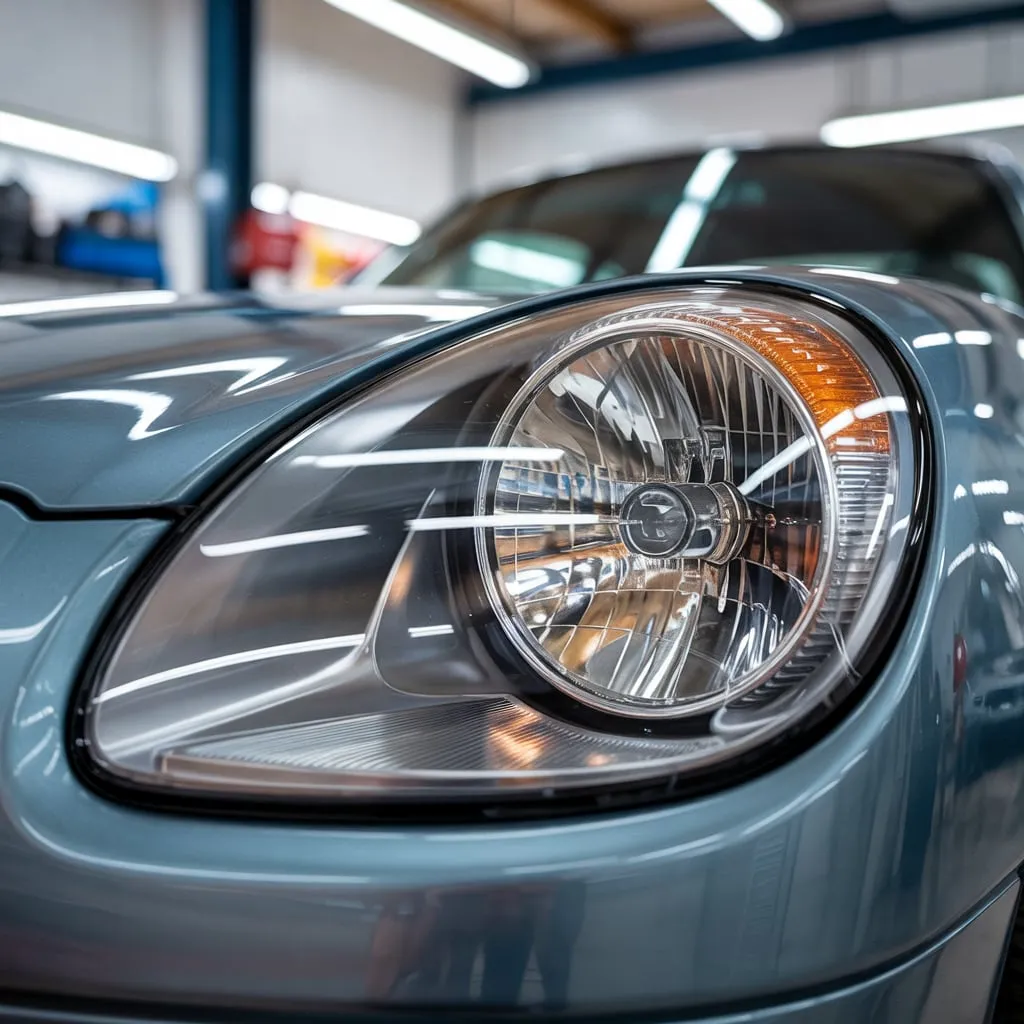
Headlight glass replacement simply means fixing the outer glass when it gets cracked, broken, or damaged, while everything inside the headlight still works as it should. Many drivers assume the whole headlight needs changing, but that is not always the case. When the glass is affected, light can scatter, glare increases, and night driving feels uncomfortable. Replacing damaged headlight glass, cracked headlight covers, or broken front light glass helps the light travel forward the way it should. It is often the right step when visibility drops, moisture appears, or inspections raise concerns about light clarity.
How We Address Headlight Glass Damage Caused by Dubai Roads
Headlight glass does not usually fail all at once. On Dubai roads, damage often builds slowly through daily use, heat exposure, and repeated road contact.
Road debris & highway impact
Everyday driving at speed exposes the front of the car to loose material.
- Stones and grit thrown up by other vehicles
- Construction dust and gravel on fast roads
- Sudden hits that lead to cracked headlight glass without deeper damage
Extreme heat & temperature changes
The UAE climate places constant pressure on exterior components.
- Long hours under direct sun
- Cooling at night followed by rapid reheating
- Gradual weakening of the headlight glass surface
Sun exposure & UV stress
Extended sunlight affects more than paint and trim.
- Continuous UV exposure on front headlight glass
- Surface fatigue that reduces clarity
- Fine fractures that alter how light passes through
Minor impacts & parking contact
Not all damage comes from major accidents.
- Light bumps in parking areas
- Close contact during tight manoeuvres
- Stress points forming on broken headlight covers over time
Seal wear & moisture pressure
Water and air movement can quietly increase stress on the glass.
- Worn edges allowing moisture entry
- Internal pressure pushing against the glass
- Fogging linked to ongoing headlight glass damage
Most of these causes develop gradually. Catching them early helps maintain visibility and avoids larger lighting issues later on.

Book now
When We Recommend Headlight Glass Replacement for Your Car
Headlight issues are not always dramatic. In many cases, the glass gives small but clear signals that it is no longer doing its job properly.
- Beam misdirection
Cracks or surface breaks in the front headlight glass can change how light travels forward. Instead of lighting the road evenly, the beam shifts, leaving dark spots and creating discomfort for oncoming traffic. - Uneven light spread
When the glass surface is damaged, light no longer exits in a clean pattern. This leads to scatter, soft edges, and an irregular cutoff that reduces driving confidence at night. - Visible moisture buildup
Fogging or water inside the unit often points to stress around the glass and sealing area. Over time, this moisture affects clarity and worsens headlight glass damage. - Inspection-related remarks
Vehicle testing can flag clarity or light control issues even when bulbs and wiring are working. These remarks are commonly tied to cracked or weakened glass rather than electrical faults. - Low visibility at night
If night driving feels harder without any bulb failure, damaged headlight glass is often restricting proper light output.
These indicators tend to appear gradually. Addressing them in time helps preserve clear lighting and avoids further complications.
Why We Advise Fixing Cracked Headlight Glass Without Delay
Once headlight glass is compromised, the risk is no longer about appearance. It directly affects how the vehicle interacts with the road and other drivers.
- Uncontrolled glare exposure
Damaged glass alters how light exits the unit, sending brightness into unintended directions. This increases glare for oncoming traffic and raises the risk of sudden reaction errors during night driving. - Shortened illumination range
When light is distorted by cracked headlight glass or surface fractures, it fails to project far enough ahead. This reduces reaction time at highway speeds and makes hazards harder to spot early. - Internal component vulnerability
Openings in the glass allow moisture and fine dust to enter the headlight housing. Over time, this exposure can affect reflectors, wiring paths, and electronic controls that rely on a sealed environment. - Compromised inspection outcomes
Light dispersion and clarity issues caused by headlight glass damage are commonly flagged during vehicle testing, even when bulbs and systems remain functional.
These risks tend to escalate gradually. Addressing front headlight glass replacement at the right time helps maintain proper light behavior and avoids avoidable safety and compliance concerns.
Types of Headlight Glass We Replace
Headlight glass varies by vehicle design, driving conditions, and exposure level. Selecting the correct type helps maintain light control and protects the headlight unit from further issues.
- Standard clear headlight glass
Used on many vehicles to support clean light flow while shielding the internal system. This type helps maintain light transmission and protects against road debris exposure. - Model-specific headlight glass
Designed to match the exact shape and fit of a vehicle. Accurate installation supports beam alignment and reduces light scatter caused by poor fitment. - Heat-resistant headlight glass
Common on vehicles exposed to prolonged engine heat and high ambient temperatures. Built to handle thermal stress and reduce surface fatigue over time. - Impact-damaged headlight glass
Applied when the glass has been affected by stone hits or minor contact. Replacement helps correct headlight glass damage without disturbing the internal lighting system. - Sealing-edge integrated headlight glass
Designed to work with factory sealing points. Supports headlight glass sealing integrity and lowers the risk of moisture entry after replacement.
Each type is chosen based on vehicle structure, damage condition, and inspection needs to ensure proper light control and stable performance.
Vehicles & Headlight Systems We Service
Headlight glass issues are not limited to one type of vehicle or one lighting setup. Different systems react differently when the outer glass is compromised, and that is where proper service coverage matters.
- Halogen headlight assemblies: Still widely used across daily-driven vehicles. When the glass is damaged, light spreads unevenly, creating dark zones on the road even though the bulb itself is working.
- HID xenon systems: These systems produce intense light that needs strict control. Any surface damage to the glass can cause glare, reduce focus, and affect how the beam reaches the road.
- LED headlight units: LED headlights rely on precise light paths. Headlight glass damage in these systems often results in reduced forward reach and inconsistent illumination during night driving.
- Adaptive headlight systems: Designed to adjust beam direction based on steering angle and speed. Damaged glass can limit how accurately the system responds, especially on curves and highways.
- Projector headlight housings: Projector setups depend on clean glass for sharp cutoff control. Cracks or surface wear often soften the beam edge and reduce visibility distance.
- Reflector-based headlight housings: Reflector designs spread light across a wider area. When the glass surface fails, light scatter increases and road focus drops noticeably.
- Passenger cars & daily commuters: Vehicles used for routine city and highway driving where front headlight glass replacement helps maintain safe visibility and inspection readiness.
- Luxury & performance vehicles: These vehicles often use complex lighting systems where even minor glass damage can affect beam behavior and compliance standards.
This range allows headlight glass replacement to be handled correctly across different vehicle categories and lighting technologies, without disturbing internal systems or altering factory light behavior.
Our Headlight Glass Replacement Process
Headlight glass replacement follows a controlled process. Each step is handled with care to ensure light behavior remains stable and inspection-ready.
Initial Assessment & Beam Analysis
Every job starts with understanding how the damage affects light output.
- Crack mapping to identify stress points and surface spread
- Moisture inspection to check for condensation and pressure imbalance
- Housing integrity check to confirm the unit structure remains intact
Safe Removal of Damaged Glass
The removal stage focuses on protecting the headlight unit.
- Controlled separation method to avoid stress on the housing
- Housing protection steps to prevent distortion or seal damage
Internal Cleaning & Seal Preparation
Once the glass is removed, attention shifts to preparation.
- Moisture removal from internal surfaces
- Seal surface treatment to restore proper bonding conditions
Precision Installation of New Headlight Glass
Correct fitment is essential for light control.
- Alignment verification to maintain beam accuracy
- Seal bonding process to support long-term sealing integrity
Final Beam Pattern & Light Output Check
The process ends with functional validation.
- Cutoff verification to ensure clean light edges
- Road-level alignment to confirm stable illumination during real driving
Choosing Between Glass Replacement & Full Headlight Replacement
Drivers often assume that any headlight damage means the entire unit must be replaced. In reality, the right solution depends on where the problem sits and how far it has spread. Understanding this difference helps avoid unnecessary cost and prevents replacing parts that are still functioning as they should. When damage is limited to the outer surface, vehicle headlight glass replacement focuses on restoring light control without disturbing the internal system. Full replacement becomes relevant only when internal components are affected or structural integrity is lost.
Aspect | Glass Replacement | Full Headlight Replacement |
Damage location | Limited to outer glass surface | Involves internal components or housing |
Internal system | Bulbs, electronics, and reflectors remain intact | Bulbs, wiring, modules, or reflectors replaced |
Light behaviour | Restores beam direction and clarity | Rebuilds the entire lighting system |
Cost impact | Lower when internal parts are unaffected | Higher due to complete unit change |
Repair scope | Focused and controlled | Extensive and part-heavy |
Inspection relevance | Corrects clarity and dispersion issues | Required for structural or electrical failure |
Time involvement | Shorter service window | Longer due to calibration and fitting |
Choosing between these two options is not about preference. It depends on the condition of the headlight housing, internal components, and how the damage affects light behavior. Addressing the right area avoids unnecessary replacement while keeping visibility and compliance intact.
Book now
Moisture & Condensation Control After Headlight Glass Replacement
Fogging inside the headlight is not just annoying. It changes light behavior, softens visibility, and can trigger inspection remarks.
- Seal integrity verification
After installation, the sealing edge around the new glass is checked for uniform contact. Any gap can allow headlight glass moisture entry, especially during washing or highway driving in humid conditions. - Vent function inspection
Headlight units depend on vents to release heat and humidity. Blocked or restricted vents trap moisture inside, leading to condensation due to seal failure even when the glass itself is new. - Pressure balance confirmation
Temperature changes between day heat and night cooling create pressure shifts. Pressure balance checks ensure the unit can equalize without pulling moisture inward, reducing repeat fogging issues.
This process helps stabilise headlight glass sealing integrity, protects internal components, and keeps light output clear during daily driving and inspection conditions in Dubai.
Why Our Auto Garage Is Trusted for Headlight Glass Replacement
When drivers look for help with damaged headlight glass, they are usually trying to fix a problem that has already caused inconvenience or failed inspection once before. Trust comes from resolving that problem properly, not repeating the same outcome.
- Clear repair judgment
Each case is assessed to confirm whether headlight glass replacement is the right solution, helping avoid unnecessary full headlight changes. - Inspection-aware approach
Work is carried out with the RTA inspection headlight condition in mind, focusing on light clarity and beam control that testing centers look for. - Consistent results
Attention is given to sealing and alignment to prevent recurring issues linked to headlight glass damage, glare, or moisture. - Local driving conditions considered
Dubai heat, highway speeds, and night driving demands are factored into every front headlight glass replacement. - Focus on long-term visibility
The aim is stable light output and clear visibility over time, not short-term improvement.
This approach allows headlight glass issues to be addressed once, correctly, and with fewer follow-up concerns.

Book now
Restore Clear Headlight Performance in Your Vehicle Today
When night driving starts to feel uncomfortable, it is often a sign that the headlight glass is no longer guiding light the way it should. Cracks, moisture, or surface wear can quietly reduce visibility and lead to inspection concerns if left unaddressed. If you are noticing these changes, a proper check can confirm whether headlight glass replacement is needed. Scheduling an assessment helps identify the issue early and restore stable light output before it turns into a larger safety or compliance problem on Dubai roads.
FAQ
Frequently Asked Questions
Yes, in many cases. When the damage is limited to the outer glass and the internal components are functioning correctly, replacing the glass alone is often sufficient.
It can, provided the issue is linked to glass damage or seal failure. Proper sealing and pressure balance checks are essential to prevent moisture from returning.
Yes. Cracks, light distortion, or reduced clarity can lead to inspection remarks or failure, even if the bulbs and wiring are working properly.
If light output feels uneven, glare has increased, or visibility is poor despite working bulbs, the issue often lies with damaged or stressed headlight glass.
Yes. Glass replacement can be carried out on halogen, HID, LED, and adaptive systems as long as the internal structure remains intact.
Service time depends on the headlight design, extent of damage, and sealing requirements. A proper assessment helps determine the exact scope before work begins
Successful Projects
0
K