
Adaptive Car Headlights Installation | Matrix LED & AFS Coding
Standard headlights leave you driving into “blind spots” on every turn. While many shops offer basic installation, adaptive systems require deep-level coding and sensor synchronization to function correctly. An incorrect setup doesn’t just cause annoying warning lights; it compromises your safety. Our Dubai-based specialist team bypasses the shortcuts, utilizing manufacturer-approved calibration tools to synchronize your headlights with your steering and suspension. Experience a seamless, error-free installation designed to meet the rigorous demands of UAE luxury vehicle owners.
Call Us Any Time:
+971564646081




15k+ Clients Happy Drivers
Advanced Car Lighting Systems Upgrade Beyond Standard Bulb Replacement
Adaptive headlights are not a standalone lighting upgrade; they function as an integrated electronic safety system designed to react continuously to driving conditions. Unlike conventional static LED or Xenon headlights, adaptive systems actively adjust beam direction, range, and distribution while the vehicle is in motion. This technology is commonly referred to as an adaptive front lighting system (AFS) and is a core component of many modern headlights.
Optimizing Your Vehicle's AFS Performance
An adaptive front lighting system (AFS) dynamically modifies the headlight beam based on steering input, vehicle speed, and road conditions. Steering-responsive headlights pivot as the steering wheel turns, illuminating bends and junctions earlier than fixed-beam headlights. Dynamic headlights also adjust light distribution at higher speeds to extend visibility, while maintaining controlled cut-off patterns to minimize glare.
Sensors, Control Modules, and Dynamic Beam Control
These systems rely on constant communication between steering angle sensors, ride height sensors, forward-facing cameras, and vehicle lighting control modules. Auto-leveling headlights compensate for vehicle load changes, ensuring the beam remains correctly positioned regardless of acceleration or passenger weight. All adjustments are processed electronically and validated using diagnostic calibration tools during installation or service.
Risks of Improper Car Headlight Coding & DIY Installation
Adaptive headlight systems are unforgiving of shortcuts. Even when the physical components are installed correctly, improper setup at the electronic level can lead to functional and safety issues that are not immediately visible. Modern systems depend on precise electronic configuration, not just correct mounting.
Common consequences of improper installation include:
- Persistent error codes that cannot be cleared without manufacturer-level vehicle diagnostics
- Failed self-leveling routines in auto-leveling headlights, causing incorrect beam height
- Incorrect swivel range or beam cut-off behavior in steering-responsive headlights
- Inconsistent light distribution that reduces night-time visibility and driver confidence
Mechanical alignment alone is insufficient for adaptive systems. While traditional headlights can often be adjusted manually, adaptive headlights rely on software logic and sensor data to operate correctly. Without proper software integration, the vehicle’s control units cannot correctly interpret sensor inputs or activate adaptive functions.
Professional installation ensures:
- Accurate headlight calibration aligned with OEM reference data
- Correct sensor recalibration following suspension, ride height, and steering inputs
- Full system validation across vehicle lighting control modules
- An error-free installation that meets manufacturer specifications
Some garages may suggest they can perform the work for less, but lower pricing often reflects skipped diagnostic steps and incomplete calibration. Our process is diagnostics-led and OEM-aligned, ensuring the system operates exactly as designed, not just initially, but over time. Avoid warning lights, book a proper diagnostic-led installation.
Our 3-Step Car Headlight Installation Process
Adaptive Headlights Installation is a controlled, multi-stage procedure that must follow OEM headlight installation standards from start to finish. Our process is designed to eliminate compatibility issues, prevent software conflicts, and ensure consistent performance. Accuracy and validation take priority over speed at every stage.
Vehicle Compatibility & System Assessment
Before any components are fitted, we confirm that the vehicle can properly support the adaptive system.
- VIN-based compatibility verification against manufacturer databases
- Identification of factory replacement versus headlight retrofit requirements
- Assessment of vehicle lighting control modules and sensor architecture
- Pre-install vehicle diagnostics to establish a fault-code baseline
- Confirmation of software support and calibration prerequisites
This step prevents unnecessary installation failures and post-install warning messages.
Hardware Installation & Integration
Once compatibility is confirmed, the physical installation is carried out as part of a complete OEM headlight installation process.
- Installation of adaptive headlight units to the manufacturer’s specifications
- Secure integration with wiring harnesses and control modules
- Verification of mounting tolerances affecting beam alignment
- Inspection of connectors and power supply stability
- Preparation of the system for software configuration
Hardware installation is treated as the foundation for accurate electronic calibration.
Coding, Calibration, and Validation
The final stage ensures the system operates correctly in real-world driving conditions.
- Headlight coding and programming for vehicle lighting control modules
- Configuration of adaptive functions using OEM data sets
- Static headlight calibration using diagnostic calibration tools
- Dynamic calibration for steering input, ride height, and beam response
- Full system validation, fault-code checks, and documented road testing
Each installation concludes with recorded verification to confirm compliance with manufacturer specifications and long-term reliability. Schedule an installation assessment to ensure your adaptive headlights are installed, coded, and calibrated correctly.
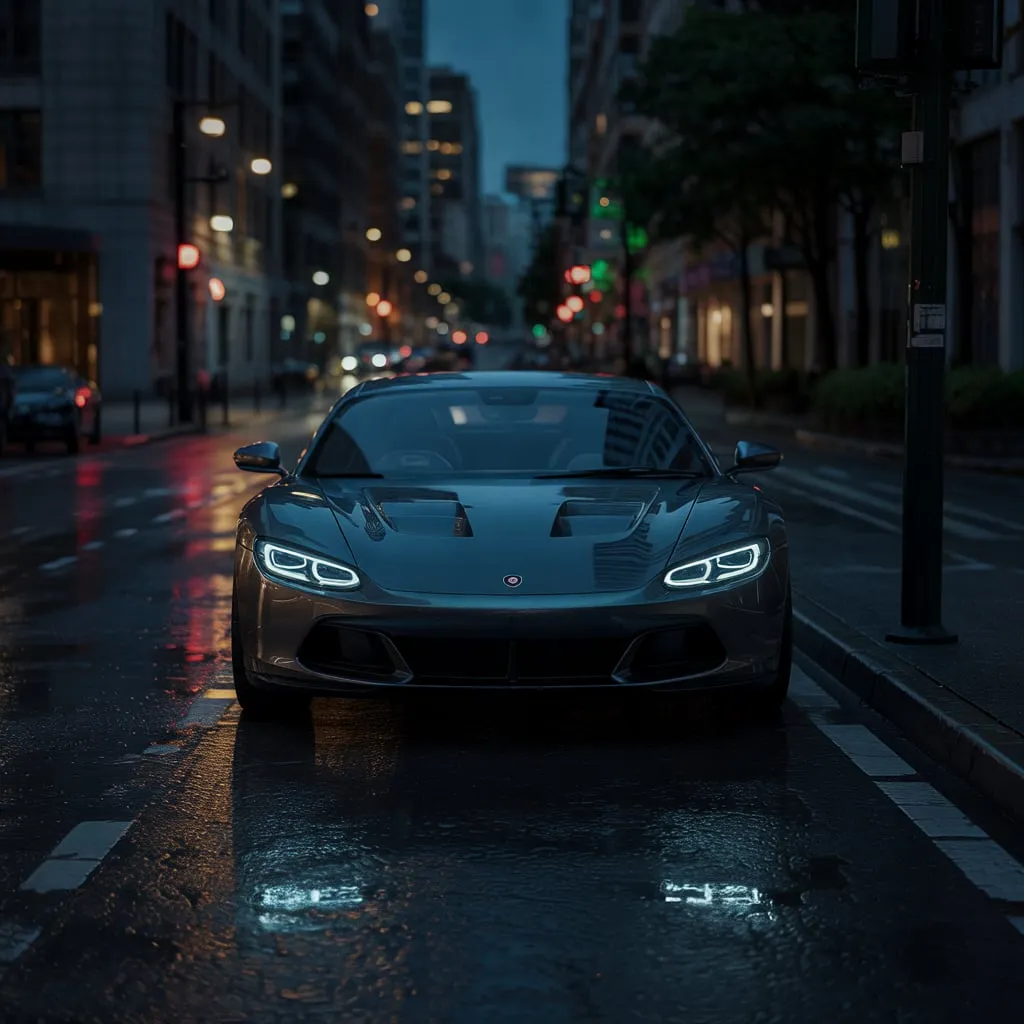
Headlight Installation for BMW, Mercedes, Audi & Other Vehicles
Adaptive headlight technology varies significantly between manufacturers and even between model years. Our Adaptive Headlights Installation services are designed to support a wide range of modern vehicles equipped with advanced lighting architectures, while maintaining strict OEM compatibility requirements. We work with multiple adaptive technologies, including:
- Matrix LED headlights with independently controlled light segments
- Steering-responsive headlights that adjust beam direction through corners
- Auto-leveling headlights that compensate for load, acceleration, and braking
- Intelligent headlights integrated with camera-based assistance systems
- Adaptive front lighting system (AFS) configurations are used across premium and mid-range vehicles
Each system is installed using OEM headlight installation procedures that align with manufacturer specifications. We do not use universal fitting methods or generic coding, as modern vehicles require precise matching between sensors, control modules, and software. Our technicians follow system-specific workflows for each vehicle platform to ensure correct operation, long-term compliance, and to minimize the risk of warning lights, beam misalignment, or compatibility issues.
Check if your vehicle’s system is supported before scheduling installation.
Why Car Owners Trust Us for Adaptive Headlight Installation in Dubai
Adaptive lighting is a core technical service we specialize in, not an add-on. In the UAE’s luxury car market, “close enough” isn’t good enough. We differentiate ourselves through proven capability, not just claims. While general garages rely on trial-and-error, our process is built on strict manufacturer-defined calibration procedures.
Specialist Integration vs. Standard Installation
Feature | Standard Garage (General) | Our Specialist Approach (OEM) |
Methodology | Basic “Plug & Play” | Integrated Electronic Installation |
Software Coding | Generic/Bypassed | Manufacturer-approved Programming |
System Calibration | Manual/Visual alignment | Static & Dynamic OEM Calibration |
Sensor Sync | None (Static Beam) | Full Steering & Ride-Height Sync |
Dashboard Status | Risk of persistent errors | 100% Error-free Guarantee |
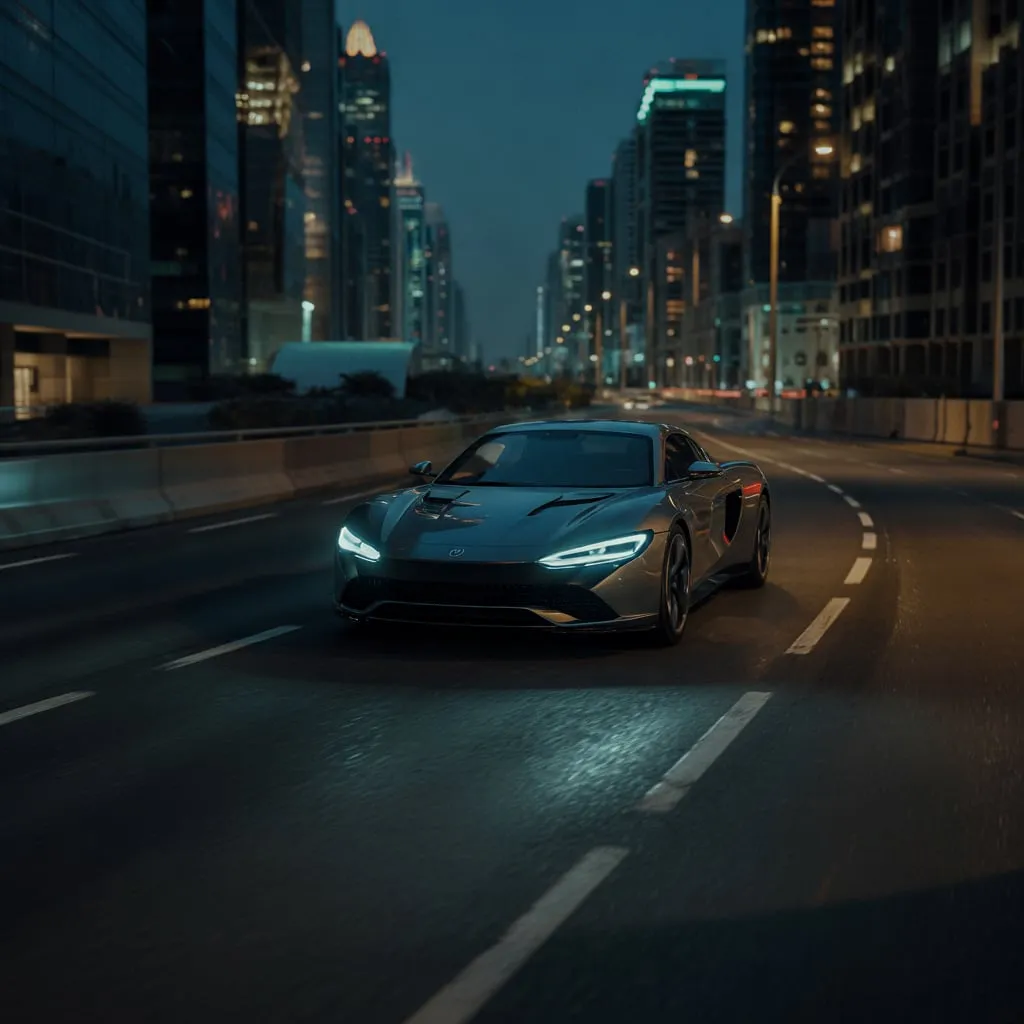
Our Technical Expertise in Car Headlight Coding & Advanced Installation
Instead of generic workflows, we use a diagnostics-led approach to ensure long-term system integrity and road safety:
- OEM-Level Diagnostic Tools: We utilize dealer-level software (such as ODIS for VAG, ISTA for BMW, and Xentry for Mercedes) specifically designed to communicate with Matrix LED and AFS control modules.
- Full Sensor Synchronization: Adaptive headlights don’t work in isolation. We recalibrate the Steering Angle Sensor (SAS) and Suspension Leveling Sensors to ensure the light beam pivots and levels with millisecond precision.
- Dynamic Beam Validation: Unlike standard shops that check lights against a wall, we validate the “Intelligent High Beam” and “Anti-glare” (selective masking) functions to ensure you don’t blind oncoming traffic on the E11 or dark desert roads.
- Documented System Health: Every client receives a comprehensive pre- and post-installation diagnostic report. This “Digital Health Check” confirms that no hidden faults were triggered during the integration process.
- Future-Proof Coding: We ensure that the new lighting parameters are permanently written into your vehicle’s central configuration (FA/VO coding), so they won’t be wiped during your next routine service at the dealership.
Adaptive Car Headlights Installation Cost & Pricing
Adaptive Headlights Installation costs vary because no two vehicles or lighting systems are identical. Pricing is determined by technical scope rather than a flat labor rate, ensuring the work aligns with OEM requirements and avoids shortcuts that lead to faults or rework.
Key factors that influence installation cost include:
- Vehicle make, model, and year, as lighting architectures and control modules differ significantly
- Type of adaptive system, such as matrix LED headlights, steering-responsive headlights, or auto-leveling headlights
- Factory replacement versus headlight retrofit, with retrofits often requiring additional coding and integration
- Extent of headlight coding and programming needed to communicate with vehicle lighting control modules
- Calibration requirements, including static and dynamic headlight calibration using OEM-aligned diagnostic tools
In many cases, the installation process includes comprehensive vehicle diagnostics before and after the work is completed. This ensures compatibility, confirms correct system behavior, and helps prevent warning lights or performance issues after delivery.
Rather than offering generic pricing, we provide a clear, itemized estimate following a compatibility and diagnostic assessment. This approach reflects the true scope of work and ensures the installation meets manufacturer specifications without compromise.
Contact us for a compatibility check and an accurate installation quote based on your vehicle’s exact configuration.
FAQ
Frequently Asked Questions
In most modern vehicles, yes. Adaptive systems rely on software integration so the vehicle can recognize and control the new components. Without proper coding, adaptive functions may remain inactive or trigger warning messages, even if the headlights are physically installed correctly.
When installation is performed correctly, fault codes should not remain present. Vehicle diagnostics are carried out before and after installation to identify existing issues and confirm that all lighting control modules communicate correctly once coding and calibration are complete.
Headlight calibration time varies by vehicle and system complexity. Auto-leveling headlights and matrix LED headlights typically require both static and dynamic calibration routines. While calibration itself may take a limited time, preparation and verification are essential to ensure accuracy and long-term stability.
Calibration can interact with other vehicle systems that share sensor data, such as steering angle or ride height sensors. When performed correctly, headlight calibration does not disrupt these systems. Instead, it ensures all components operate within manufacturer-defined parameters.
This depends on the vehicle configuration. A factory replacement involves installing OEM-equivalent units, while a headlight retrofit may require additional software configuration and compatibility checks. Both approaches require the same level of precision and adherence to OEM standards.
Adaptive headlights installation should always begin with a technical assessment rather than assumptions. Our consultation-led approach starts with vehicle diagnostics to confirm system compatibility, identify coding and calibration requirements, and determine the correct OEM headlight installation procedure for your vehicle.
By inspecting the vehicle first, we ensure the installation meets manufacturer specifications, maintains safety compliance, and results in an error-free installation without warning lights or performance issues. This process also provides clarity on scope, timing, and cost before any work commences. There is no obligation beyond the assessment. The focus is on accuracy, transparency, and the long-term integrity of the system. Book an inspection, speak directly with a lighting specialist, and move forward with confidence.
Successful Projects
0
K